Table Of Content
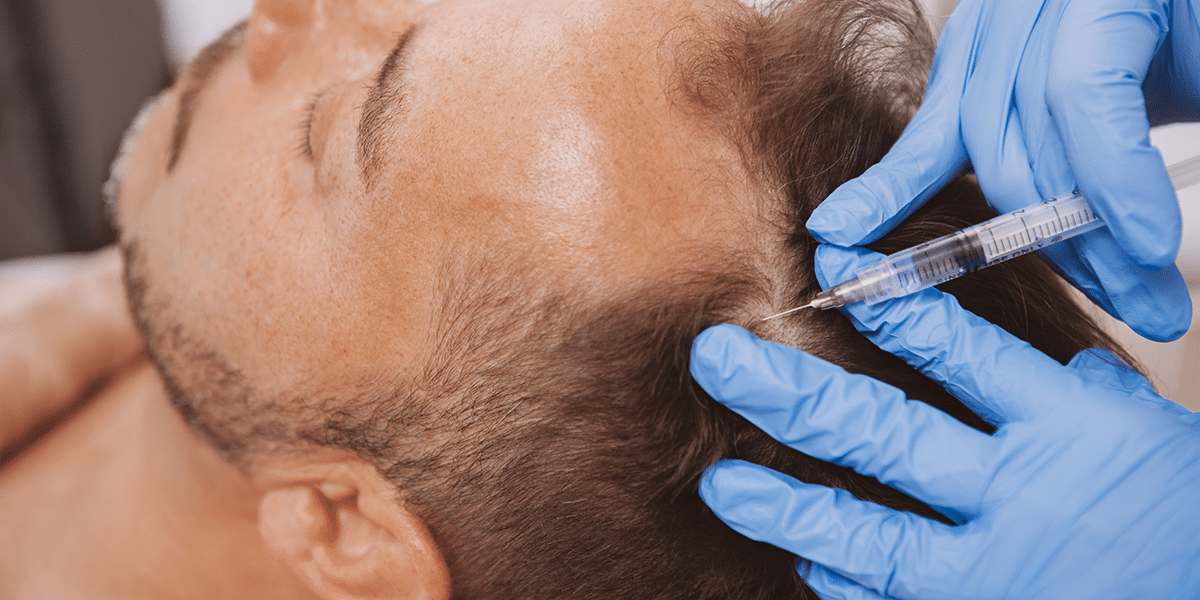
Studies show that PRP works best as a treatment for androgenetic alopecia (AGA). Dr. Sclafani, who uses PRP as a hair restoration option for some patients in his practice, says there’s some scientific proof and good anecdotal evidence that PRP works. As the centrifuge quietly hummed, Deirdre Murphy, the nurse who drew my blood, started to lay out small syringes that would be used to inject my own growth factor-full PRP back into my skull. If that doesn’t sound like a lot of syringes to you, I don’t know what to tell you man, because that is a lot of stuff going into my skull if you ask me. “[A good candidate is] someone who’s young, who's noticing some thinning and may also see some regression of the hairline.” Bingo.
Get the latest in health news delivered to your inbox!
“That’s where it has been studied and vetted the most vigorously,” according to Amelia K. Hausauer, M.D., a cosmetic fellowship trained dermatologist and director of dermatology at Aesthetx in Silicon Valley, Calif. Incorporating gentle, hydrating products into your hair care routine can also help strengthen your strands and improve texture. I’m not squeamish when it comes to needles except for that brief moment the needle actually goes into my vein. Luckily, that was one-and-done, even though the nurse drawing my blood pulled two vials full, or about 25 cc’s in total. As I held the gauze over my tiny pinprick of a wound, my blood was spun in a centrifuge for about five minutes.
Platelet Rich Plasma Injections for Hair Restoration in Androgenic Alopecia Outcomes - Cleveland Clinic
Platelet Rich Plasma Injections for Hair Restoration in Androgenic Alopecia Outcomes.
Posted: Sat, 25 Jan 2020 22:59:42 GMT [source]
Why Some Patients Experience Temporary Hair Loss
Kate Demolder: Steps you can take to deal with hair loss or thinning - Irish Examiner
Kate Demolder: Steps you can take to deal with hair loss or thinning.
Posted: Thu, 21 Mar 2024 07:00:00 GMT [source]
A downside to PRP therapy for hair loss is that treatment is expensive and rarely covered by medical insurance. It’s important to note that not many insurance companies cover PRP therapy for hair loss. If you have insurance, speak with your provider to see whether they cover it. If you don’t have health insurance, the PRP therapy’s doctor’s office might offer payment plans or reduced fares for self-payers. Here, dermatologists share what you need to know about alopecia, including possible causes, treatment options and what you can do to prevent more hair loss.
Special Health Reports
I was expecting a sales pitch but what I learned about hair loss and hair restoration from them was presented in a straightforward and logical way, without lots of medical terminology. They take time to explain the root cause of the problem and explore all the different treatments. RP uses injections of concentrations of the patient's own platelets to speed up the healing of the injured joints. It is used for the patient’s own healing system to improve musculoskeletal problems. These are prepared by taking anywhere from one to a few tubes of your own blood and running it through the centrifuge to concentrate the platelets. The key advantage of PRP injection is that it can reduce the anti-inflammatories or stronger medications.Additionally, the side effects of PRP are very limited.
Female Pattern Hair Loss
Then, we record the measurements every three months to track the plateau phase of improvement. PRP is a revolutionary hair restoration therapy for some patients, but experts say there are still limitations and unknowns. Underlying conditions, like anemia (iron deficiency) and hypothyroidism (an underproduction of thyroid hormones) can also trigger the disorder. “The most common treatment for telogen effluvium is removing the trigger if it can be identified—and also time,” Dr. Lo Sicco says.
What is PRP, and can it really help with hair loss?
Furthermore, PRP can also be used as a combination treatment with the follicular unit extraction (FUE) hair transplantation as shown in a single-blind, prospective randomized study in 40 FUE hair transplant patients. The patients were divided into two groups, PRP was injected intra-operatively immediately after creating slits over the recipient area in PRP group while normal saline was injected in non-PRP group. So is hair loss normal after getting a PRP treatment for hair restoration? Yes, temporary hair loss for a few weeks after the PRP injection therapy is normal because it’s the treatment’s way of stimulating hair growth.
If you do not see any improvement in 2-3 sessions, this treatment may not be working for you. However, a head-to-head study between PRP and minoxidil shows that minoxidil produces a better treatment response than PRP alone. But much of the research has been conducted on small study groups of 40 people or fewer. And there’s some promising research suggesting that PRP may work for other types of hair loss. As the PRP solution consists of a person’s own blood components, there are few risks of a reaction to the solution itself. Researchers theorized that if they could extract concentrated platelets and inject them into damaged areas of the body, they could accelerate healing.
However, it’s also important to remember that hair shedding shouldn’t be used as a measurement of how successful a hair loss treatment is. It’s still important to see your provider or dermatologist who will monitor the treatment’s progress. You can soothe any tender areas by applying a topical corticosteroid lotion or ointment to your scalp, which acts as an anti-inflammatory, Dr. Lo Sicco says. Hydrocortisone 1% is available over-the-counter—anything stronger requires a prescription.
There will be no risk of any infection as the plasma used is drawn from your blood. Moreover, the process is not time-consuming and is complete in just 1 to 2 hours. Friction-induced folliculitis might require nothing more than laying off the hairstyling practice that triggered it until you’re fully healed. And no matter the underlying cause, “corticosteroids may be recommended to alleviate inflammation in more severe cases,” Dr. Mitchell says. Cut to present day, when PRP is gaining popularity in dermatology by achieving such medical successes as tissue regeneration, wound healing, scar revision, skin rejuvenation and in our case, alopecia, otherwise known as hair loss. So it should come as no surprise that there are seemingly endless new and interesting developments in the hair loss category for men all the time.
If you are searching for the best GFC treatment near me, visit HairMD. We are a team of qualified and experienced dermatologists who have treated thousands of patients and delivered excellent results. Minimize the use of high-heat styling tools, hair extensions and harsh treatments like perms. Avoid hairstyles like tight buns and braids that pull on your scalp, potentially causing traction alopecia. If you have healthy hair on the back or side of your head, a doctor can surgically remove hair strands from those areas and graft them into your scalp in a bare area.
PRP (platelet-rich plasma) therapy comprises a three-step medical process in which the person’s blood is drawn, processed, and injected into the scalp. Some medical communities assume that Platelet Rich Plasma injections trigger natural hair growth and maintain it by increasing blood supply to the hair follicle and the thickness of the hair shaft. There is not enough evidence that PRP is an effective hair loss treatment.
Platelet-rich plasma (PRP) injection is a novel procedure that uses your own blood platelets – a type of cell that helps with healing throughout the body – to potentially reverse hair loss and grow new hair. When released in the hair follicles, these growth factors act on the stem cells to stimulate new follicles and blood vessels. This improves the blood supply of the scalp and increases the density of hair. It also extends the life of hair in the growth phase (anagen), resulting in reduced miniaturization and increased thickness of individual hair.
As a woman when you enter menopause and start to notice a widening part or see hair thinning around your temples, you can be sure that it is female pattern hair loss– a prominent symptom of menopause.... An improvement in hair texture may already be seen at least 2 weeks after the procedure however, 3 to 6 months from the initial treatment is necessary for measurable results to be observed. For optimum results, at least 4 PRP treatment sessions are recommended, with maintenance treatments repeated a year or 2 after the initial session. PRP for hair loss is a cost-effective non-surgical treatment that substantially improves hair growth and thickness. Whether you decide to take the OTC route or consult with a dermatologist, the AAD stresses that hair loss is complex and there’s no one-size-fits-all regimen. It may take some trial and error to narrow down which combo of hair loss treatments works best for you, but the above derm-recommended options will, hopefully, encourage your strands to make a comeback.
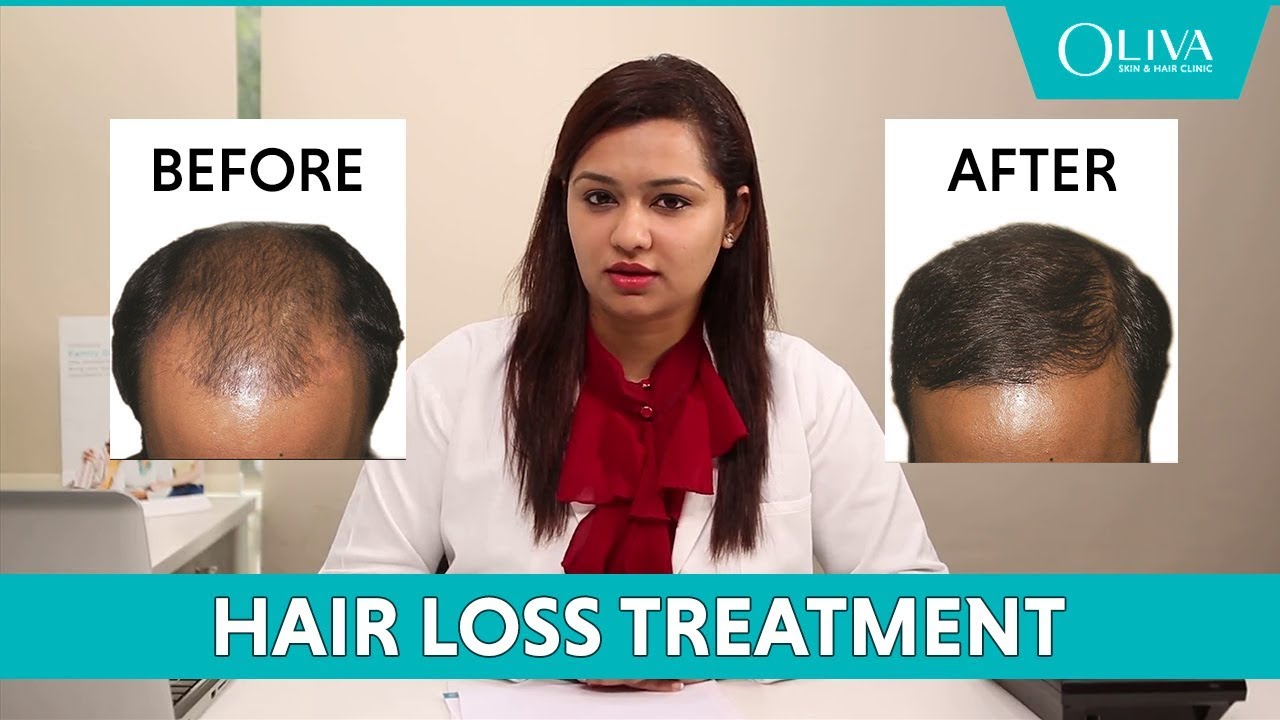
PRP therapy is not a onetime solution; most people require several sessions to achieve visible hair regrowth. The number of sessions can vary, but providers typically recommend three to four PRP sessions spaced four to six weeks apart for optimal results. Maintenance treatments every six to 12 months are sometimes necessary for continued regrowth. A large body of research has shown that these over-the-counter creams and foams, applied to the scalp daily, are effective at stimulating hair growth, increasing hair density and halting hair loss over time.
These treatments that emit red- or near-infrared light are believed to stimulate hair follicles to help hair grow, with a lower risk of side effects compared to topical creams and oral medications. Since PRP hair loss treatment is a minimally invasive procedure, most patients suffering from alopecia are qualified for this. Those with good overall health and lifestyle may experience the best hair restoration results, so you should be willing to lead a healthy lifestyle after the procedure. While this side effect is rare for patients who undergo PRP therapy for hair restoration, it’s still important to consult an expert who can accurately diagnose the cause of hair loss and recommend the appropriate treatment option. They should also consider other medical conditions that may affect the patient or their treatment. Both men and women struggle with varying degrees of hair loss due to a variety of causes.
It has been used for problems such as healing injured ligaments, tendons, and muscles. PRP has been used for many soft tissue injuries, including those in tendons, ligaments, knee menisci, muscles, and cartilage. As with all autologous regenerative medicine, PRP is usually safe, as it is a therapy derived from the patient’s own blood.


No comments:
Post a Comment